Oedipus the King‚ a timeless tragedy‚ invites readers into a labyrinth of fate‚ duty‚ and self‑discovery; The story follows Oedipus‚ a ruler who unknowingly fulfills a dire prophecy‚ leading to profound revelations about identity and destiny. This PDF offers an accessible gateway to the classic text.Enjoy reading
Historical Context
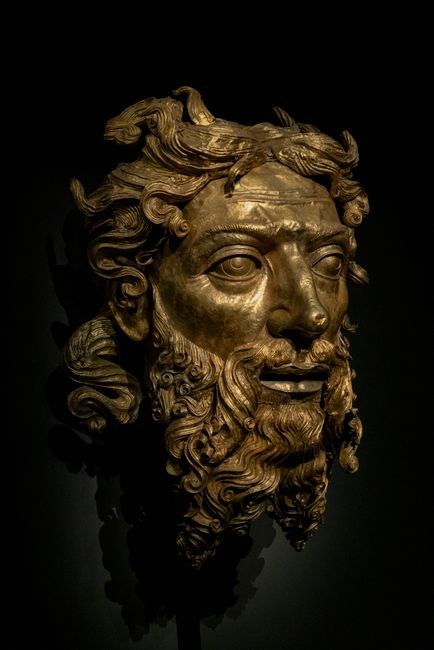
Set against the backdrop of ancient Greece‚ the play reflects the cultural and political milieu of the 5th century BCE. The city-state of Thebes‚ where the narrative unfolds‚ was a center of dramatic innovation and civic pride. The era was marked by the rise of Athenian democracy‚ the Peloponnesian War‚ and a flourishing of the arts. The Greeks revered myth and tragedy as vehicles for exploring complex human emotions and moral dilemmas. Sophocles‚ the playwright‚ was a contemporary of the great tragedians Aeschylus and Euripides‚ and his work was performed at the Dionysia festival‚ a major religious and cultural event. The play’s themes resonate with the contemporary concerns of the time‚ such as the tension between fate and free will‚ the role of the individual in society‚ and the consequences of hubris. The use of the chorus‚ a hallmark of Greek tragedy‚ allows the audience to engage with the narrative in a communal setting‚ reflecting the collective nature of Greek citizenship. The historical context also informs the language and structure of the play‚ with its use of iambic pentameter and the interplay between the spoken dialogue and the choral odes. By understanding the historical backdrop‚ readers gain deeper insight into the play’s enduring relevance and its influence on Western literature and drama.
Moreover‚ the play mirrors philosophical debates of its era‚ juxtaposing divine determinism with human agency. Sophocles’ tragic hero embodies hubris and nemesis‚ illustrating moral order. The chorus offers moral guidance‚ while masks‚ gestures‚ and a proscenium stage amplify dramatic irony and audience engagement‚ and enriches the narrative’s depth.
Author and Publication
Sophocles (c. 496–406 BCE) was an Athenian playwright renowned for his mastery of tragedy. He composed over 120 plays‚ of which only seven survive intact‚ including the seminal ‘Oedipus the King.’ The play premiered at the City Dionysia in 429 BCE‚ amid the Peloponnesian War‚ and quickly became a cornerstone of Greek drama. Written in classical Greek‚ it employs iambic pentameter and a chorus to explore themes of fate‚ identity‚ and moral responsibility. Sophocles’ narrative technique—marked by dramatic irony‚ complex character arcs‚ and a tightly woven plot—set new standards for theatrical storytelling. The text was transmitted orally for centuries before being copied by hand during the Hellenistic period. The earliest extant manuscript‚ a 9th‑century codex‚ resides in the Biblioteca Marciana in Venice. Modern critical editions‚ such as the Cambridge Greek Texts series‚ provide comprehensive apparatus and scholarly commentary‚ making the play accessible to contemporary readers. The first printed edition appeared in the 16th century‚ during the Renaissance‚ when humanists revived interest in classical literature. Today‚ ‘Oedipus the King’ is available in numerous translations‚ including those by Robert Fagles and Robert Fitzgerald‚ and remains a staple of university curricula worldwide. Its enduring relevance lies in its exploration of fate‚ identity‚ and the human condition‚ themes that continue to resonate with modern audiences. This PDF edition is freely downloadable from academic repositories‚ ensuring that students and scholars worldwide can access the text without restriction today!

Accessing the PDF
To obtain the Oedipus the King PDF‚ visit reputable digital libraries such as Project Gutenberg or Internet Archive. These platforms host the text under public domain‚ ensuring free‚ legal access. Always verify the source’s legitimacy before downloading. Enjoy the text! Now. !!

Legal Considerations
Legal considerations surrounding the acquisition and use of a PDF version of Oedipus the King involve a nuanced understanding of copyright law‚ public domain status‚ and licensing agreements. The original text‚ composed by Sophocles in the 5th century BCE‚ is firmly in the public domain‚ meaning that the ancient narrative itself is free from modern copyright restrictions. However‚ contemporary translations‚ editorial annotations‚ and formatting choices can introduce new layers of copyright protection. A modern translator’s work is typically protected for a period of 70 years after the translator’s death‚ and any derivative work that incorporates the translator’s language is subject to that protection. When a PDF is produced from a recent translation‚ the distributor must ensure that the translator has granted a license that permits free distribution‚ or that the translator has explicitly released the translation into the public domain. Many online repositories‚ such as Project Gutenberg or the Internet Archive‚ host versions that have been verified as public domain. These sites usually provide a clear statement of the source and the legal status of the text. Readers should always verify that the PDF they are downloading does not contain any copyrighted material beyond the original text. If the PDF includes annotations‚ commentary‚ or a new translation‚ it is essential to check the license or copyright notice. Some publishers offer open‑access versions under Creative Commons licenses‚ which allow free use with certain conditions such as attribution or non‑commercial use. In addition‚ the location of the PDF can affect legality; for instance a version hosted on a server without permission from the rights holder may be illegal. Users should also be mindful of the terms of use of the hosting site‚ as some sites may prohibit downloading or redistribution. Finally‚ while the text itself may be public domain‚ the PDF file format is simply a container‚ and the legal status of the content inside it depends on the source. Therefore‚ it is prudent to consult the copyright notice‚ check the source’s legitimacy‚ and respect any licensing terms before downloading or sharing Oedipus the King PDFs. Thanks
Finding a Free Copy
To locate a free PDF of Oedipus the King‚ begin by searching reputable public‑domain repositories such as Project Gutenberg‚ the Internet Archive‚ and Google Books. These sites frequently host ancient Greek works and modern translations that have entered the public domain. Search for “Oedipus Rex” or “Oedipus the King” and filter results by PDF format. If a translation is still under copyright‚ look for versions released under Creative Commons licenses; many scholars provide open‑access editions that allow free download and redistribution. Another reliable source is the Perseus Digital Library‚ which offers digitized texts in multiple languages‚ including English translations that are freely available. When browsing‚ pay attention to the publication date and the translator’s name; translations published before 1950 are usually public domain. If you encounter a PDF that appears to be a recent translation‚ verify the copyright status by checking the publisher’s website or contacting the translator directly. Some university libraries provide open‑access copies of classic texts through their digital collections; accessing these may require a library card or institutional login‚ but many are freely accessible to the public. Finally‚ use search engines with advanced queries such as “Oedipus the King PDF site:edu” or “Oedipus Rex free download” to locate legitimate‚ no‑cost copies. Always respect licensing terms and attribute the source when sharing the PDF. Happy reading an
Reading the PDF
Reading the PDF of Oedipus the King involves navigating the layout‚ noting page numbers‚ and using annotation tools for clarity. Adjust font size for comfort‚ consider bookmarking scenes to track themes and character arcs throughout play. Bookmark act to jump scenes track narrative flow !!
When approaching the PDF of Oedipus the King‚ a structured reading order enhances comprehension. Begin with Act I‚ where the protagonist’s quest for truth is introduced. Follow with Act II‚ the climax of revelation‚ and finish with Act III‚ the resolution and moral closure. This linear path mirrors the play’s dramatic arc‚ allowing readers to experience the gradual unfolding of destiny and the tragic consequences of human hubris. For deeper insight‚ pause to reflect on the interplay between prophecy and free will. Annotating marginal notes helps track recurring motifs‚ such as the blind oracle and the inevitable fate that binds the protagonist’s fate to the city’s destiny.
Additionally‚ many readers find it helpful to read the text aloud‚ as the rhythmic quality of Sophocles’ language brings the drama to life. Taking notes on key motifs—such as the recurring motif of sight versus blindness—helps illuminate the underlying philosophical questions. Finally‚ engaging in discussion groups or online forums can deepen your appreciation of the play’s enduring relevance for all today
These resources can help you follow dialogues and understand shifts in tone‚ making text more relatable. By engaging with these tools‚ you can explore layers of meaning woven into the narrative‚ from foreshadowing to questions that resonate today!
Annotations and Marginals
When exploring the PDF of Oedipus the King‚ annotations serve as a compass through the dense poetic language and complex themes. Begin by marking key passages that highlight the interplay between fate and free will. Use a consistent color scheme: blue for prophetic lines‚ green for moral dilemmas‚ and red for dramatic climaxes. This visual coding allows quick reference during study sessions.
For advanced readers‚ cross‑referencing with scholarly commentaries enriches understanding. Insert footnotes that link to external sources‚ providing context on ancient Greek customs‚ theatrical conventions‚ and modern interpretations. This layered approach transforms a simple reading into an interactive learning experience‚ making the PDF a living document rather than a static text.
Digital annotation tools can further streamline the process. Many PDF readers allow sticky notes‚ color‑coded highlights‚ and embedded hyperlinks. By embedding links to external glossaries or critical essays‚ readers can instantly access supplementary material without leaving the document. Additionally‚ collaborative annotation features enable group study sessions‚ where multiple users can comment and discuss in real time. This communal approach not only enriches individual understanding but also fosters a shared scholarly dialogue‚ turning the PDF into a dynamic learning hub.
Remember to save annotated PDFs periodically to preserve your insights and avoid data loss during editing sessions.
Thanks!!!

Content Overview
Oedipus the King PDF presents a compact‚ dramatic narrative divided into three acts. Act I introduces prophecy and Oedipus’s quest. Act II escalates conflict‚ revealing hidden truths. Act III delivers tragic resolution‚ exploring fate‚ guilt‚ and redemptionwith notes andanalysis.
Act I Synopsis
Act I opens with a foreboding oracle‚ setting the stage for a tale of destiny and self‑discovery. The city of Thebes is plagued by a mysterious plague‚ and the people seek answers. Oedipus‚ the king‚ is determined to uncover the cause and restore peace. He summons the seer‚ Tiresias‚ who reveals a chilling truth: the plague is a consequence of a crime committed by the previous king‚ who was unknowingly killed by his son. Oedipus‚ unaware of his own lineage‚ is thrust into a moral dilemma. The audience is drawn into a web of prophecy‚ guilt‚ and the relentless pursuit of truth. As the act unfolds‚ Oedipus confronts the oracle’s warnings‚ grapples with his own identity‚ and faces the weight of his actions. The tension builds‚ culminating in a dramatic revelation that sets the stage for the ensuing acts. The act ends with Oedipus vowing to solve the mystery‚ while the city’s fate hangs in the balance‚ foreshadowing the tragic unraveling to come.
The scene is set in the bustling agora‚ where citizens voice their fears and the king listens with a heavy heart. A messenger arrives bearing the oracle’s chilling message‚ urging Oedipus to seek the truth beyond the walls of Thebes. The tension rises as the king grapples with the possibility that his own lineage may be the root of the suffering. The act ends with a dramatic cliffhanger‚ leaving the audience in suspense as Oedipus vows to uncover the hidden past that could alter the fate of his people. The tension is palpable as the city’s future hangs in the balance‚ awaiting Oedipus’s action now.

Act II Synopsis
Act II delves deeper into Oedipus’s quest for truth‚ as he interrogates the city’s priests and the enigmatic messenger. The tension escalates when the king confronts the oracle’s cryptic warnings‚ and the city’s suffering intensifies. Oedipus’s determination to uncover the hidden past is tested by the revelation that the culprit may be closer than he imagines. The act presents a series of dramatic confrontations‚ including a heated debate with the priestess who claims that the plague is a divine punishment for an ancient transgression. Oedipus‚ torn between his duty to his people and his personal curiosity‚ must decide whether to follow the trail of clues that leads him to the palace of the former king. As the act progresses‚ the audience witnesses a pivotal moment when Oedipus discovers a hidden chamber containing a portrait of his unknown father‚ which triggers a cascade of memories and guilt. The act ends with Oedipus vowing to confront the truth‚ while the city’s fate remains uncertain‚ and the audience is left to ponder the moral implications of destiny and free will. In this climactic act‚ the interplay between fate and free will reaches its zenith as Oedipus confronts the truth about his lineage‚ forcing him to reconcile his identity with the inexorable destiny that has guided his life from birth. The audience is left to reflect on the tragic inevitability of the narrative‚ the moral weight of knowledge‚ and the profound questions about human agency that echo through the ages. The resolution leaves city inquiry endures.

Act III Synopsis
In the final act‚ Oedipus confronts the full weight of his destiny‚ as the truth about his parentage and the prophecy that has haunted him finally unravels. The city of Thebes is in turmoil‚ and the plague that has plagued its people for years reaches a climax. Oedipus‚ now fully aware of the tragic chain of events‚ must decide whether to accept his fate or resist it. He faces the priestess‚ who reveals that the curse was placed upon his father for a crime of betrayal‚ and that the only way to end the suffering is to bring the perpetrator to justice. Oedipus‚ with a heavy heart‚ sets out to find the man who killed his father‚ only to discover that the culprit is his own mother‚ who had unknowingly fulfilled the oracle’s warning. The revelation shatters Oedipus’s world‚ and he must confront the reality that his own actions have brought ruin to his city. The act culminates in a dramatic showdown between Oedipus and his mother‚ where the truth is finally laid bare. The audience is left with a sense of tragic inevitability and the moral complexity of fate‚ guilt‚ and redemption. The play ends with Oedipus’s resignation‚ as he accepts his role as the instrument of divine will‚ and the city of Thebes is left to mourn the loss of its king and the cost of knowledge. The final revelation forces Oedipus to confront the paradox of free will versus destiny‚ as he realizes that every choice he made was a step toward the inevitable‚ and the tragedy of Thebes mirrors the fragile balance between fate and agency. human heart.