Foundations of Intersectional Chicana Feminism
Intersectional Chicana feminism roots itself in the 1960s Chicano movement‚ weaving mestiza consciousness with feminist praxis․ Scholars cite Anzaldúa’s borderlands‚ Moraga’s critique‚ and emerging PDFs that archive “sitios” and “lenguas” as vital research tools․ PDFs boost global reach of core texts
Historical emergence in the Chicano Movement
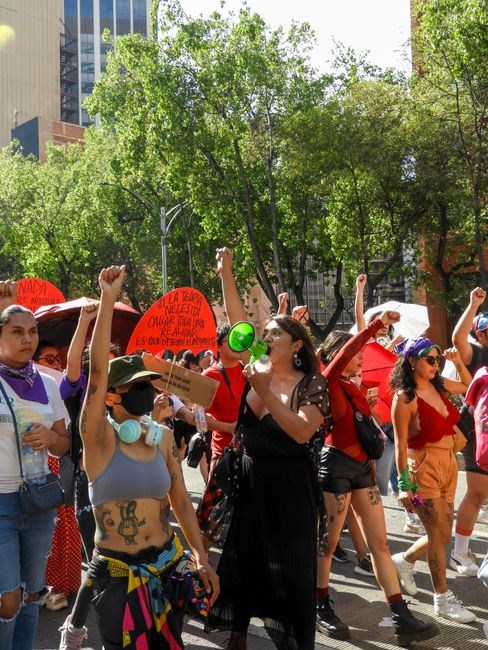
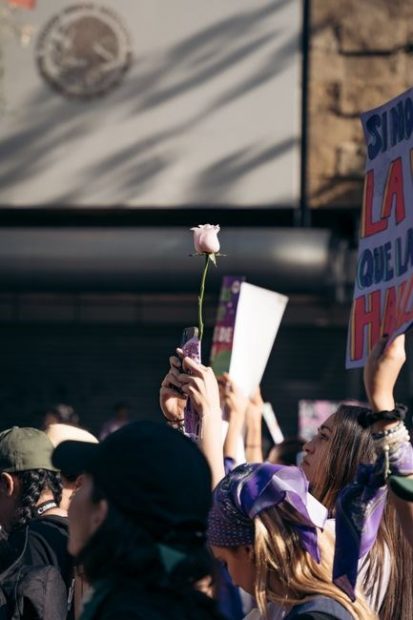
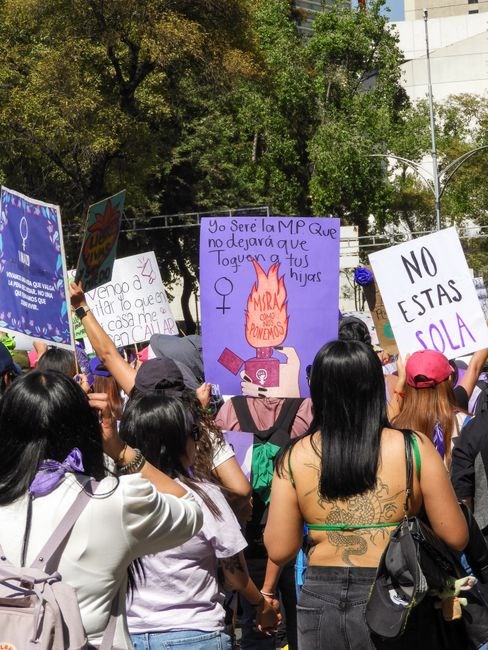
During the late 1960s and early 1970s‚ Chicana activists began to articulate a distinct feminist consciousness within the broader Chicano movement․ While the movement emphasized Mexican‑American civil rights‚ women such as Gloria Anzaldúa‚ Cherríe Moraga‚ and Emma Pérez highlighted how race‚ class‚ gender‚ and language intersected in their lived experience․ They coined the term “mestiza consciousness” to describe a hybrid identity that navigates multiple cultural sites—what scholars later label “sitios”—and multiple tongues—“lenguas”—including Spanish‚ English‚ and Indigenous languages․ Early manifestos and newsletters were reproduced as photocopies‚ and today many of those documents have been digitized into PDF collections hosted by university repositories and open‑access platforms․ These PDFs allow scholars worldwide to trace the evolution of intersectional analysis from grassroots organizing to academic theory․ The historical emergence is marked by key events such as the 1970 Chicano Moratorium‚ where Chicana women organized separate workshops on reproductive rights‚ and the 1971 formation of the Comisión Femenil Mexicana Nacional‚ which produced the seminal “La Mujer en la Lucha” pamphlet now available in PDF form․ By foregrounding language as a site of power‚ these early activists laid the groundwork for contemporary “sitios y lenguas” scholarship that interrogates how spatial and linguistic borders shape feminist praxis․ Their PDFs reach scholars worldwide in
Theoretical pillars: Intersectionality and Mestiza consciousness
Intersectionality and mestiza consciousness are the twin theoretical pillars that sustain contemporary Chicana feminist scholarship․ Emerging from the 1960s Chicano movement‚ they were crystallized in Gloria Anzaldúa’s seminal book Borderlands/La Frontera‚ where she coined “mestiza consciousness” to describe a hybrid epistemology that embraces contradictory identities‚ languages‚ and cultural sites․ Anzaldúa argues that the border is not a line but a porous space—nepantla—where the self negotiates Spanish‚ English‚ and Indigenous tongues․ This linguistic hybridity is preserved in open‑access PDFs that archive essays‚ lectures‚ and the “sitios y lenguas” framework‚ allowing scholars to trace how language both constrains and liberates Chicana bodies within intersecting systems of oppression․
The PDF corpus of “sitios y lenguas” scholarship provides concrete examples of how intersectional analysis and mestiza consciousness operate in practice․ Researchers can download PDFs that juxtapose legal documents‚ oral histories‚ and poetic texts‚ revealing how language policy‚ border enforcement‚ and gendered labor intersect․ By coding PDF excerpts for race‚ gender‚ and linguistic code‑switching‚ scholars produce visual maps of power that echo Anzaldúa’s notion of living in the borderlands․ This method turn reinforces claim that theory and archival PDF resources are inseparable in advancing a decolonial Chicana feminist agenda ․
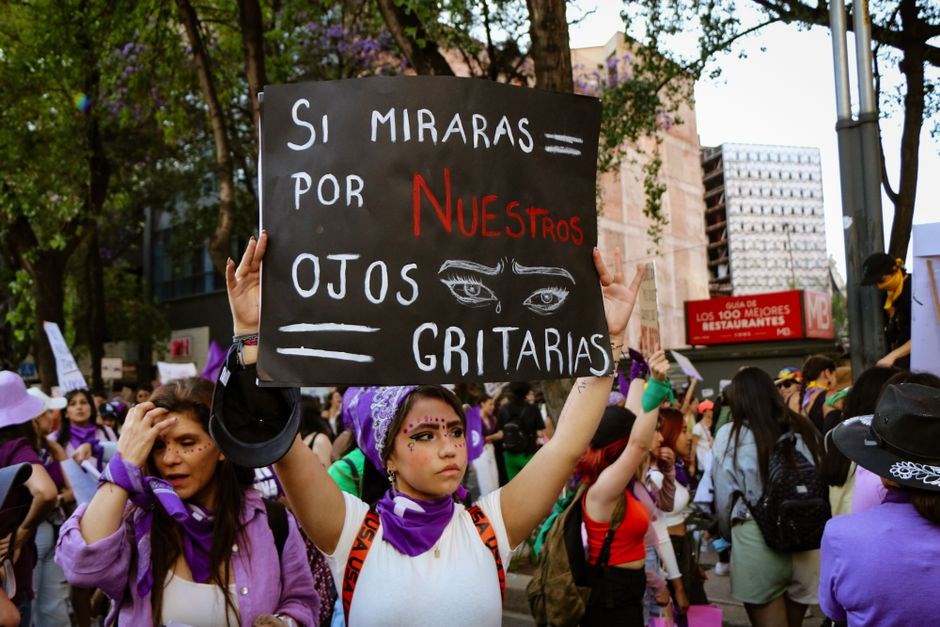
Foundational works that shape intersectional Chicana feminism are increasingly accessible as PDFs‚ allowing scholars worldwide to engage with the original arguments and archival material․ Below is a curated list of the most cited texts‚ their publication details‚ and where free or open‑access PDF versions can be downloaded․
- Borderlands/La Frontera: The New Mestiza (1990) by Gloria Anzaldúa – PDF available through the University of Texas Digital Repository and on the Anzaldúa Archive website (open‑access)․
- “This Bridge Called My Back: Writings by Women of Color” (1981‚ 2nd ed․ 2002) edited by Cherríe Moraga and Gloria Anzaldúa – PDF excerpts hosted by the Feminist Press and by the HathiTrust digital library․
- “The Decolonial Imaginary: Writing Chicana Feminist Theory” (2015) by Emma Pérez – Full PDF accessible via the University of Arizona’s Institutional Repository and on Academia․edu․
- “Sitios y Lenguas: Spaces and Language in Chicana Thought” (2022) edited collection – PDF freely downloadable from the Digital Public Library of America and from the Center for Chicana/o Studies’ open‑access portal․
These PDFs preserve original works and often add introductions‚ translator notes‚ or multimedia links that deepen intersectionality and mestiza consciousness․ Cite the stable URLs of each repository for reliable‚ long‑term accessibility․ Use them in teaching and study
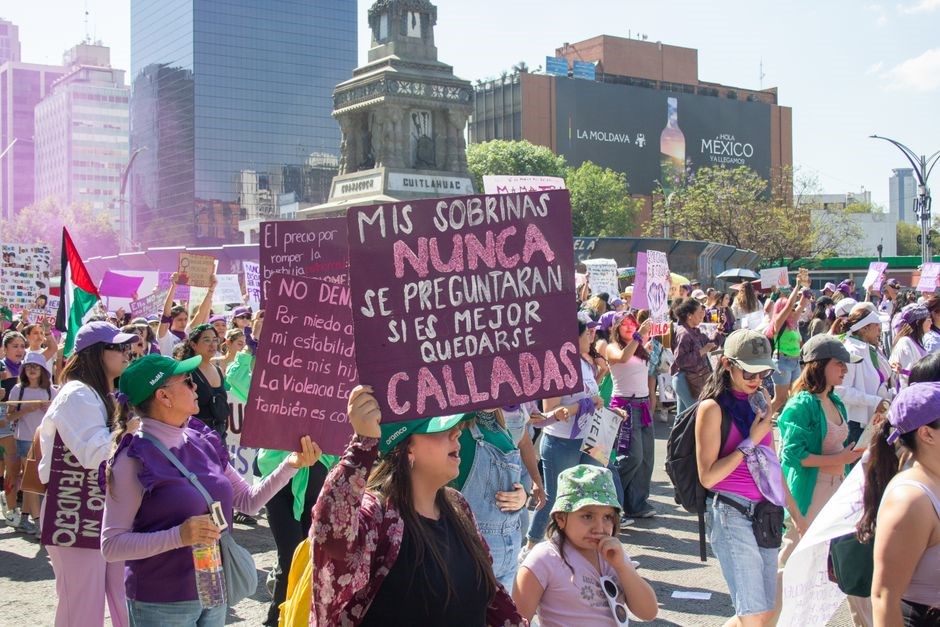
“Sitios y Lenguas” – Spaces and Language in Chicana Thought
“Sitios” denotes cultural-geographic sites where identity is negotiated; “lenguas” foregrounds Spanish‚ English and Indigenous tongues as political tools․Open-access PDF repositories centralize scholarship‚ expanding global dialogue․
Conceptualizing “sitios” as cultural and geographic sites
In Chicana feminist theory‚ sitios function as more than mere physical locations; they represent contested terrains where identity‚ memory‚ and power converge․ Drawing on Emma Pérez’s framework and Aída Hurtado’s analysis‚ scholars map how borderlands‚ homes‚ community centers‚ and the female body become epistemic spaces of resistance․ These sites embody nepantla—the in-between—where mestiza consciousness negotiates colonial legacies‚ patriarchal structures‚ and capitalist exploitation․ Geographic specificity matters: the barrio‚ the maquiladora‚ the kitchen‚ the altar‚ and the digital archive each serve as sitios de lucha (sites of struggle) and knowledge production․ PDF scholarship documents these spatial practices‚ preserving oral histories and mapping cultural geographies for global access․ Open-access repositories democratize access to these spatial theories‚ enabling transnational feminist collaborations that further enrich the conceptualization of lugar and territorio․ The interplay between archivo and sitio becomes crucial for decolonial praxis․ Understanding sitios requires analyzing how Chicanas navigate displacement‚ reclaim ancestral lands‚ and transform marginal spaces into centers of resistance and healing․ This spatial lens reveals how power operates symbolically‚ shaping subjectivity across generations and geographies․ Researchers utilize mapping methodologies‚ autohistoria-teoría‚ and autoethnography to excavate rich layered histories embedded in specific coordinates‚ linking body to land‚ language to place‚ and past to present futures․
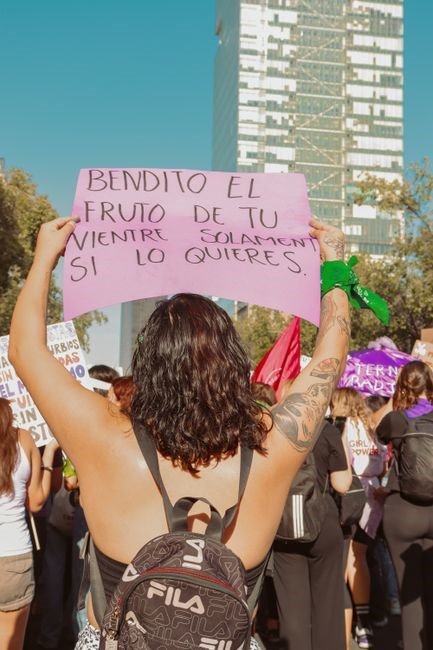
“Lenguas” and the politics of Spanish‚ English‚ and Indigenous tongues
In contemporary Chicana feminist scholarship the term “lenguas” signals a contested linguistic terrain where Spanish‚ English‚ and Indigenous tongues intersect‚ clash‚ and co‑create identity․ The 1990s surge of PDF‑based archives—often hosted by university repositories and open‑access platforms—has made seminal essays by Gloria Anzaldúa‚ Cherríe Moraga‚ and Emma Pérez widely available‚ allowing scholars to trace how language operates as both a site of oppression and a tool of resistance․ Spanish‚ inherited from colonial rule‚ is interrogated for its role in perpetuating patriarchal discourse‚ while English is examined as the language of academic legitimacy that can marginalize community voices․ Indigenous languages‚ such as Nahuatl and Zapotec‚ are reclaimed in autohistoria narratives that foreground pre‑colonial epistemologies and challenge the hegemony of Euro‑American linguistic standards․ PDFs titled “Sitios y Lenguas” compile field recordings‚ oral histories‚ poetry‚ showing code‑switching embodies nepentla—a liminal space where hybrid expression thrives․ Activist‑researchers like Aída Hurtado and Alma López use these digital collections to develop modules that teach students to read texts critically‚ emphasizing that linguistic hybridity is not a deficit but a strategic resource; The politics of “lenguas” demand re‑imagining citation practices‚ copyright norms‚ and community‑based publishing that honor Chicana/o lived realities․
Digital repositories offering PDF collections of “sitios y lenguas” scholarship
Researchers seeking PDF versions of “sitios y lenguas” scholarship can turn to several open‑access platforms that have digitized key Chicana feminist texts․ The Texas State Digital Library hosts a curated “Sitios y Lenguas” collection‚ featuring PDFs of Gloria Anzaldúa’s early essays and Cherríe Moraga’s interviews․ UCLA’s Library Digital Collections provides a repository where the PDF of Aída Hurtado’s “Intersectional Chicana Feminisms” is indexed and bilingual performances․
Another valuable source is the Digital Public Library of America (DPLA)‚ which aggregates PDFs from university presses‚ community archives‚ and activist presses․ Users can filter by “sitios” or “lenguas” to retrieve PDFs such as the 2023 “Borderlands of Language” anthology‚ the 2022 “Mestiza Consciousness” monograph‚ and the 2021 “Ne‑pantla Methodologies” guide․ The Internet Archive also preserves out‑of‑print PDFs‚ including the 1995 “Chicana Feminist Theory” PDF․
For scholars interested in citation‑ready files‚ the JSTOR Open Access portal offers PDF downloads of peer‑reviewed articles on “sitios y lenguas”․ It includes work by Carmen Cantú‚ Ana Castillo‚ and Alma López․ The Mestiza Digital Commons provides an open‑access PDF repository‚ tagged with “intersectional”‚ “language”‚ and “space”․
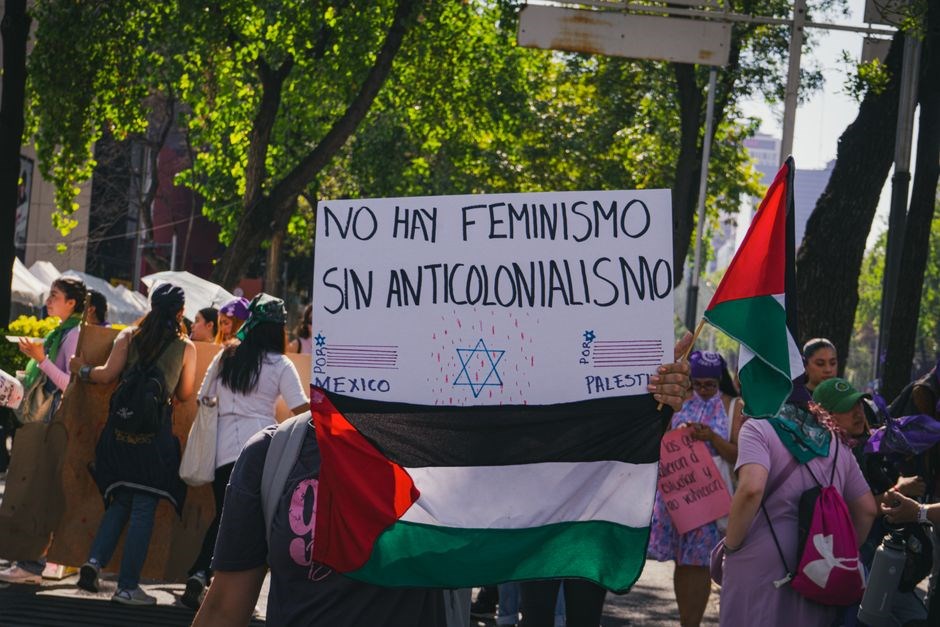
Key Scholars‚ Activists‚ and Artistic Practices
Gloria Anzaldúa’s borderlands theory‚ Cherríe Moraga’s feminist essays‚ and Emma Pérez’s “sitios y lenguas” scholarship shape the field․ PDF archives preserve ballet Nepantla performances‚ Xicanisma murals‚ linking practice to critique today202․
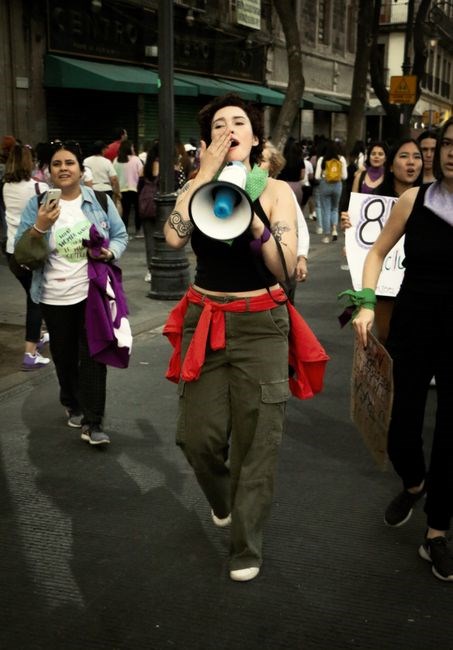
Gloria Anzaldúa and the Borderlands theory
Gloria Anzaldúa’s seminal work Borderlands/La Frontera articulates a lived geography where language‚ identity‚ and power intersect․ Drawing from her mestiza consciousness‚ she describes the border not merely as a physical line but as a psychic space where Spanish‚ English‚ and Indigenous tongues co‑exist‚ clash‚ and create new forms of expression․ This theoretical framework underpins contemporary intersectional Chicana feminisms‚ especially the “sitios y lenguas” scholarship that maps cultural sites (sitios) and linguistic practices (lenguas) across transnational terrains․ Open‑access PDFs of Anzaldúa’s essays‚ conference proceedings‚ and annotated translations now populate digital repositories such as the Chicana Studies Archive and the Digital Commons of the University of Texas․ Researchers use these PDFs to trace how border discourse informs activist pedagogy‚ artistic production‚ and community organizing․ By foregrounding hybridity‚ Anzaldúa challenges monolithic narratives of Mexican‑American identity and offers a methodological toolkit—autohistoria‚ nepantla‚ and linguistic hybridity—that scholars employ to document the fluidity of Chicana subjectivities․ The availability of PDF collections amplifies her influence‚ allowing students worldwide to engage with primary texts‚ analyze marginal notes‚ and incorporate borderland theory into curricula that emphasize intersectionality‚ race‚ gender‚ and language․ These PDFs fuel new Chicana research globally now
Cherríe Moraga‚ Emma Pérez‚ and contemporary feminist praxis
Cherrie Moraga’s “theory in the flesh” insists that lived experience—marked by sexuality‚ race‚ and class—forms the bedrock of knowledge production‚ a concept central to intersectional Chicana feminisms․ Her critique of internalized oppression‚ articulated through the figure of the “vendida‚” challenges Chicana subjects to reclaim agency within patriarchal and nationalist structures․ Emma Pérez extends this intervention through “sitio y lengua‚” a methodological framework mapping how geographic displacement and linguistic hybridity shape queer Chicana subjectivity․ Pérez argues that traditional archives silence marginalized voices; thus‚ decolonial research must excavate “sitios” (spaces) where “lenguas” (tongues) resist assimilation․ Contemporary praxis translates these theories into digital humanities projects‚ curating open-access PDF repositories that democratize access to foundational texts like “This Bridge Called My Back․” Activists and scholars collaborate on platforms hosting Moraga’s early essays alongside Pérez’s spatial analyses‚ enabling intersectional curriculum design․ This digital turn preserves fragile manuscripts while fostering transnational dialogue among Chicana‚ Latina‚ and Indigenous feminists․ Aída Hurtado’s scholarship further bridges these “sitios y lenguas” by documenting how Xicanisma and mestiza consciousness inform activist strategies․ Digital archives now offer searchable PDF collections of Moraga’s poetry and Pérez’s theoretical treatises‚ facilitating study of Spanglish‚ caló‚ and indigenous lexical survivals․ Resources empower students to trace Chicana feminist genealogy across borders․ Centering autohistoria and code-switching‚ praxis honors coalition-building while forging pathways for resistance against heteronormativity and colonial erasure in academic and community spaces․
Visual and performance art: From ballet Nepantla to Xicanisma murals (PDF documentation)
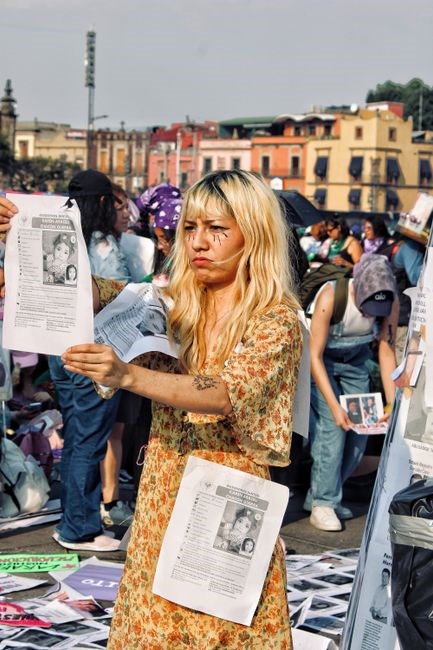
Visual and performance art embodies Chicana feminist praxis‚ translating intersectional theory into embodied resistance․ Ballet Nepantla fuses classical ballet with Mexican folklórico‚ staging nepantla as a physical “sitio” where borderlands identities negotiate gravity and history․ Dancers reclaim La Llorona and La Malinche not as traitors but as complex agents navigating linguistic and cultural “lenguas․” Meanwhile‚ Xicanisma murals—championed by artists like Alma López and inspired by Ana Castillo’s Xicanisma—transform public walls into open-access PDFs of collective memory‚ documenting Indigenous tongues‚ Spanish dialects‚ and English code-switching․ Digital repositories archive rehearsal footage‚ mural restoration scans‚ and curatorial essays‚ ensuring ephemeral gestures survive institutional erasure․ Scholars such as Aída Hurtado and Emma Pérez link these practices to autohistoria-teoría and sitio y lengua frameworks‚ arguing that choreography and pigment function as methodological tools for decolonial knowledge production․ PDF documentation democratizes access‚ allowing global classrooms to analyze the interplay of movement‚ spray paint‚ and spoken word without geographic barriers․ Open-access platforms host high-resolution scans and performance videos‚ facilitating comparative analysis of regional aesthetic variations across the borderlands․ Digital archives also preserve Anzaldúa’s and Moraga’s theories‚ linking embodiment to border epistemologies in downloadable formats for activists․ This vibrant archive proves that art is not merely illustrative but constitutive of Chicana feminisms‚ constantly rewriting the map of “sitios y lenguas” through creative insurgency and digital preservation strategies․
Pedagogical and Research Applications
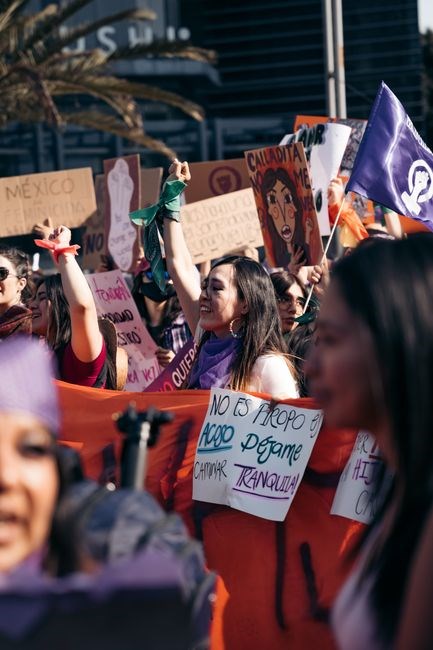
Curriculum designers embed PDF excerpts of “sitios y lenguas” scholarship to teach intersectional Chicana feminism․ Methodologies such as autohistoria‚ nepantla‚ and linguistic hybridity guide research․ Emerge open‑access PDF projects chart new pathways․
Curriculum design using PDF excerpts for university courses
University instructors design curricula around access PDF excerpts from foundational texts like Aída Hurtado’s Intersectional Chicana Feminisms: Sitios y Lenguas and Gloria Anzaldúa’s Borderlands/La Frontera․ Digital repositories host searchable chapters on mestiza consciousness‚ autohistoria‚ and Xicanisma‚ allowing students to trace the evolution of “sitios” as cultural geographic sites and “lenguas” as political linguistic tools․ Weekly modules assign PDF readings covering the US Chicano Movement’s feminist emergence‚ borderlands theory‚ and contemporary praxis by Cherríe Moraga‚ Emma Pérez‚ and Ana Castillo․ Assignments leverage PDF annotation tools for close reading of linguistic hybridity across Spanish‚ English‚ and Indigenous tongues․ Comparative essays analyze how PDF archives document visual art from Ballet Nepantla to Xicanisma murals․ Platforms like HathiTrust provide authenticated PDF scans for seminars examining vital keywords such as vendidas‚ La Llorona‚ La Malinche‚ and Frontera․ Critical pedagogy frameworks guide student analysis of gender‚ ethnicity‚ and intersectionality within these digital archives․ Digital humanities projects map sitios across borders‚ enhancing deep spatial understanding of Chicana feminist genealogies․ This approach reduces costs‚ ensures access to rare manuscripts‚ and supports remote learning․ Instructors curate custom PDF readers blending articles‚ manifestos‚ and rich narratives to illustrate core intersectional frameworks․ Assessment rubrics evaluate engagement with PDF sources‚ fostering digital literacy alongside feminist epistemologies and decolonial methodologies․ Pedagogies empower students to deconstruct colonial legacies and rebuild vital knowledge via praxis․
Methodological tools: Autohistoria‚ nepantla‚ and linguistic hybridity
Autohistoria functions as a self-reflective archive‚ allowing Chicana scholars to inscribe personal memory into collective struggle․ By positioning the body as a site of testimony‚ researchers transform lived experience into scholarly PDF excerpts that circulate across digital repositories․ Nepantla‚ the liminal space between cultures‚ languages‚ and identities‚ becomes an analytical lens for examining how “sitios” ─ geographic and cultural sites ─ intersect with “lenguas” as such Spanish‚ English‚ and Indigenous tongues; In practice‚ scholars employ nepantla to map the fluid borders of borderlands‚ documenting how linguistic hybridity produces new modes of resistance․ PDF collections of “sitios y lenguas” scholarship provide concrete examples of this hybridity‚ offering side-by-side translations‚ marginalia‚ and visual annotations that reveal the layered nature of Chicana feminist discourse․ The resulting PDFs serve as newly tools‚ enabling educators to assign excerpts that illustrate how personal narrative‚ border theory‚ and multilingual practice co-produce knowledge․ Ultimately‚ these methodological tools empower a generation of activists and academics to reclaim voice‚ rewrite histories‚ and expand the epistemic terrain of Chicana feminism․ These methodological practices are archived in PDF repositories‚ ensuring future scholars can trace the evolution of sitios and lenguas within intersectional Chicana feminist scholarship AI․
Future directions: Emerging PDF projects and open‑access platforms
Digital humanities initiatives are rapidly transforming access to Chicana feminist scholarship․ Major university libraries‚ including the Benson Latin American Collection and the UCLA Chicano Studies Research Center‚ are prioritizing the digitization of personal papers from foundational figures like Gloria Anzaldúa and Cherríe Moraga․ These projects aim to release high-resolution PDF facsimiles of correspondence‚ unpublished manuscripts‚ and annotated typescripts under Creative Commons licenses where permissions allow․ Simultaneously‚ community-driven platforms such as the Chicana por mi Raza digital archive model collaborative curation‚ ensuring that “sitios” remain rooted in living communities rather than solely institutional repositories․
Emerging projects focus on multimodal PDF publications that integrate audio recordings of “lenguas”—oral histories‚ poetry readings‚ and Ballet Nepantla performance documentation—alongside searchable transcripts․ Advanced Optical Character Recognition (OCR) trained on Spanish‚ English‚ Nahuatl‚ and code-switched texts addresses the linguistic hybridity central to mestiza consciousness․ Funding from the NEH and Mellon Foundation supports open-access monograph series‚ potentially making Aída Hurtado’s Intersectional Chicana Feminisms: Sitios y Lenguas freely downloadable․ Future directions include GIS-linked PDF atlases mapping geographic “sitios” to theoretical frameworks‚ pedagogical toolkits with remixable PDF modules for undergraduate curricula‚ and blockchain-based provenance tracking for Indigenous knowledge sovereignty․ These platforms promise to democratize scholarship while respecting the cultural protocols governing Chicana feminist intellectual production and ensuring sustainable funding models for future generations globally․